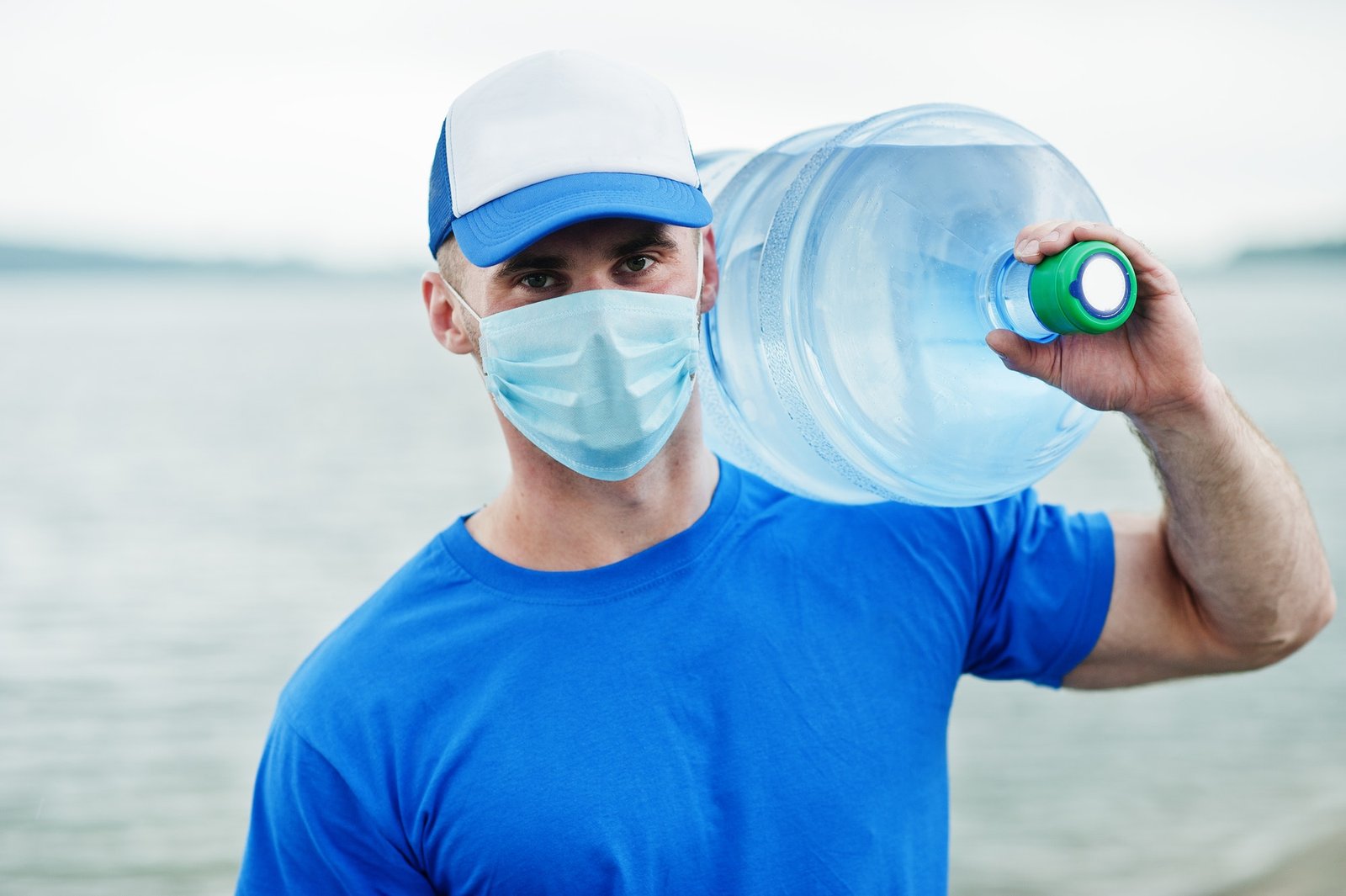
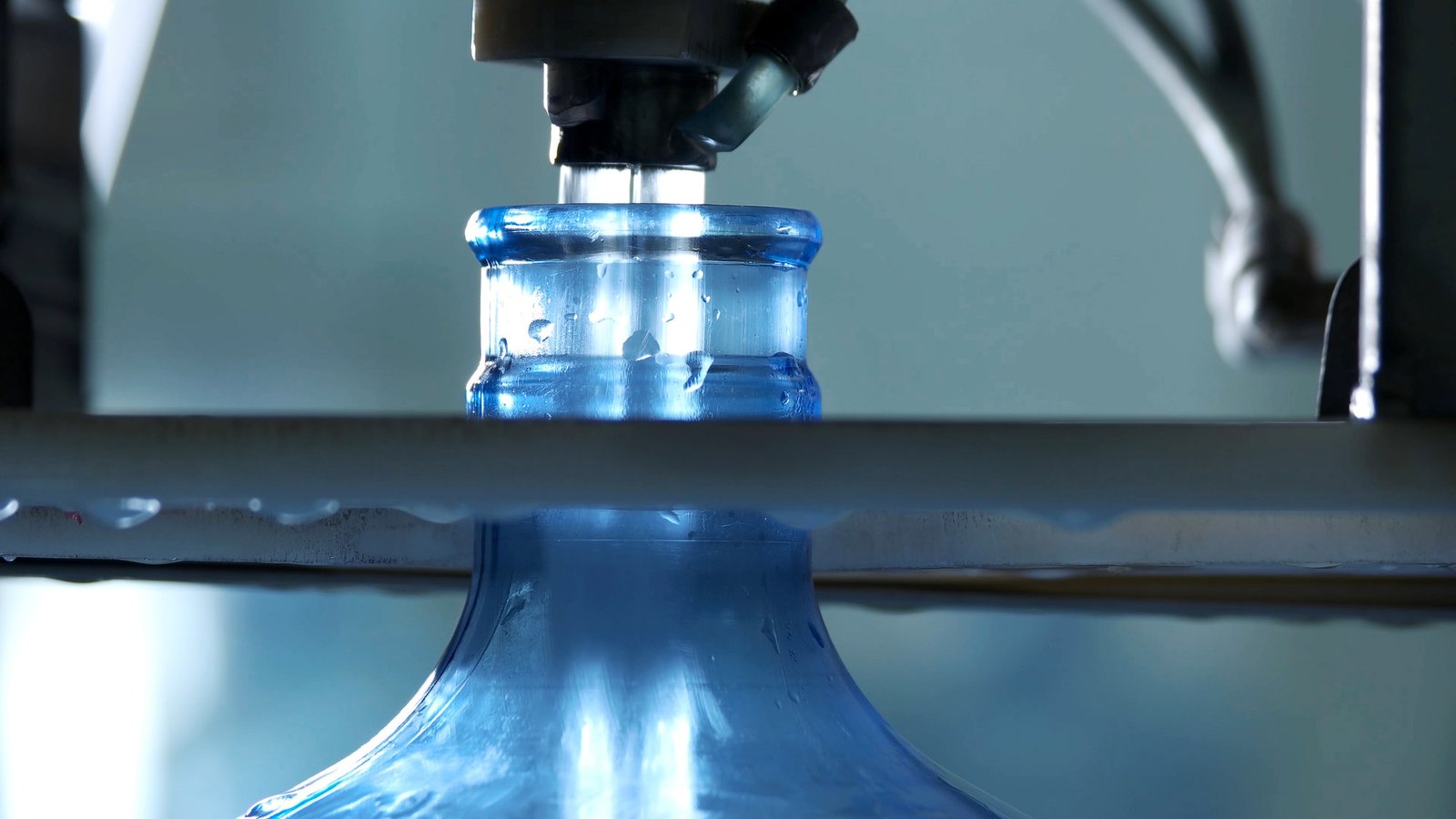
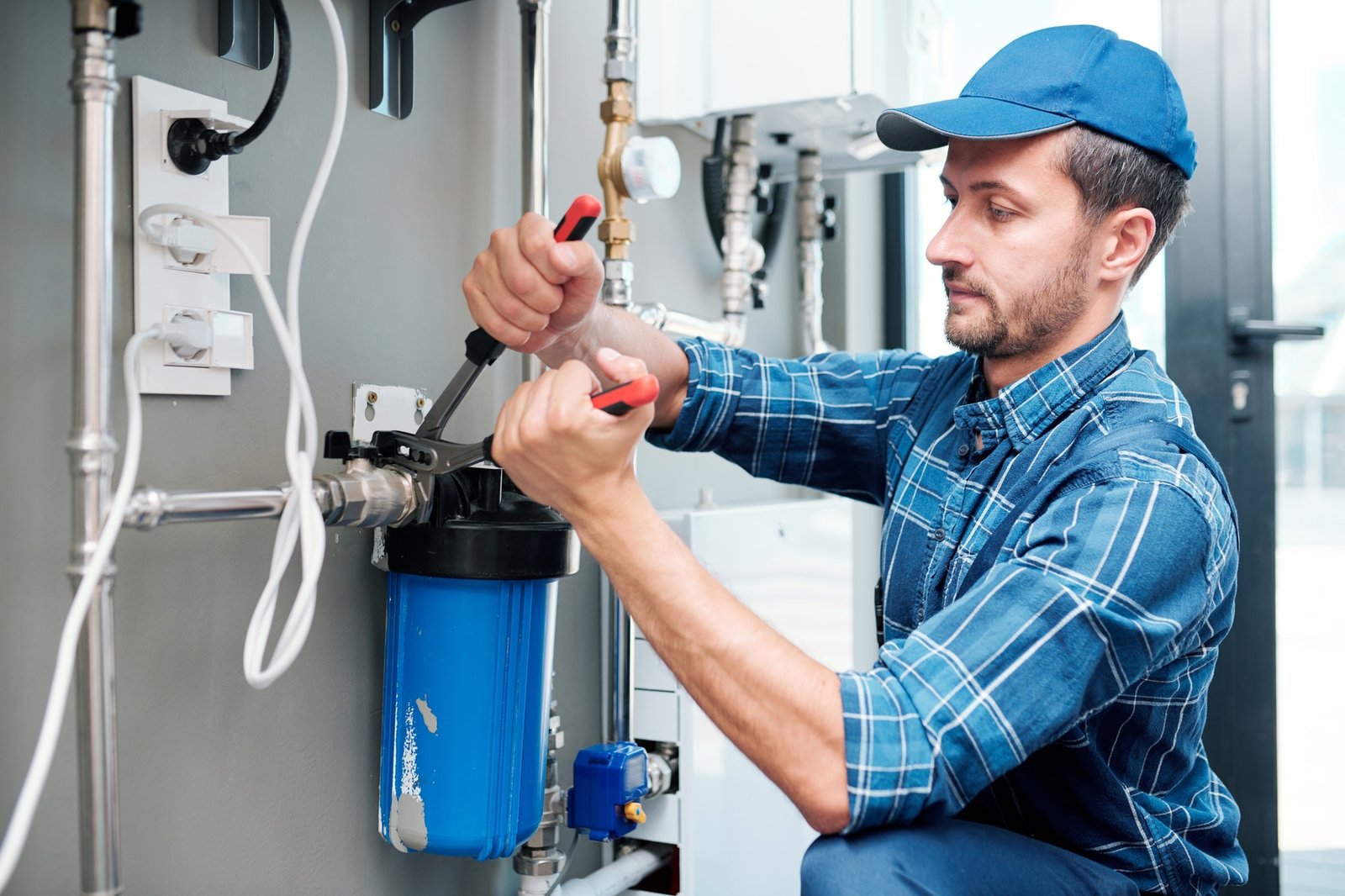
We provide water delivery, refill, filtration, event sponsorship, Water for Life, and distribution services.
Most tap and borewell water in Lahore is not safe to drink without treatment. Government testing by the Pakistan Council of Research in Water Resources found that only 31 percent of drinking water sources in Lahore met safety standards during the 2020 to 2021 monitoring cycle. That means most businesses areas like “Lahore, Faisalabad, Rawalpindi, Gujranwala, Multan, Sargodha, Sialkot, Bahawalpur, Jhang, Sheikhupura, Gujrat, Sahiwal, Okara, Rahim Yar Khan, Kasur, Dera Ghazi Khan, Wah Cantonment, Burewala, Hafizabad, Chiniot, Jhelum, Kamoke, Khanewal, Sadiqabad, Muridke, Khanpur, Bahawalnagar, Muzaffargarh, Mandi Bahauddin, Daska, Pakpattan, Chakwal, Gojra, Vehari, Ahmedpur East, Chishtian, Samundri, Ferozewala, Attock, Jaranwala, Hasilpur, Kamalia, Kot Abdul Malik, Arif Wala, Gujranwala Cantonment, Jampur, Jatoi, Wazirabad, Layyah, Shujabad, Haroonabad, Jalalpur Jattan, Lodhran, Kot Addu, Mian Channu, Khushab, Rajanpur, Taxila, Bhakkar, Narowal, Mianwali, Shakargarh, Mailsi, Dipalpur, Haveli Lakha, Lalamusa, Sambrial, Bhalwal, Taunsa, Phool Nagar, Pattoki, Jauharabad, Chichawatni, Farooqabad, Sangla Hill, Gujar Khan, Kharian, Pasrur, Kot Radha Kishan, Ludhewala Waraich, Renala Khurd” are drawing water with high TDS, bacteria, or dissolved salts that a simple jug filter cannot remove.
A reverse osmosis (RO) plant is built for exactly this problem. It pushes water through a fine membrane under pressure, separating clean water from salts, bacteria, and dissolved solids. Aqua Prima installs domestic, commercial, and industrial RO plants across Lahore and all over in Pakistan, sized to your actual water source and daily usage, not a one size fits all unit.
EXCELLENT Based on 31 reviews
 Posted on Google
 Expert In SkillsWater tast is soft & good. Best Service Highly recommendPosted on Google
 Faizan HamayunGood quality water uptill now and on time deliveryPosted on Google
 Qasim ArshadAlways the best quality products and amazing customer service. Highly recommended.Posted on Google
 Iradat HasnainVery good servicePosted on Google
 muhammad hassanGood taste, water quality is good. Highly recommendedPosted on Google
 Fazil Farhanquality of water is amazing and softPosted on Google
 Mustafa ChoudhryBest quality of water highly recommendPosted on Google
 Omer KhanI used to buy daily drinking water from aqua prima their facilities staff ambiance water quality is all good i personally recommend my neighbors to buy water from aqua prima drinking water shop....Verified by TrustindexTrustindex verified badge is the Universal Symbol of Trust. Only the greatest companies can get the verified badge who has a review score above 4.5, based on customer reviews over the past 12 months. Read more
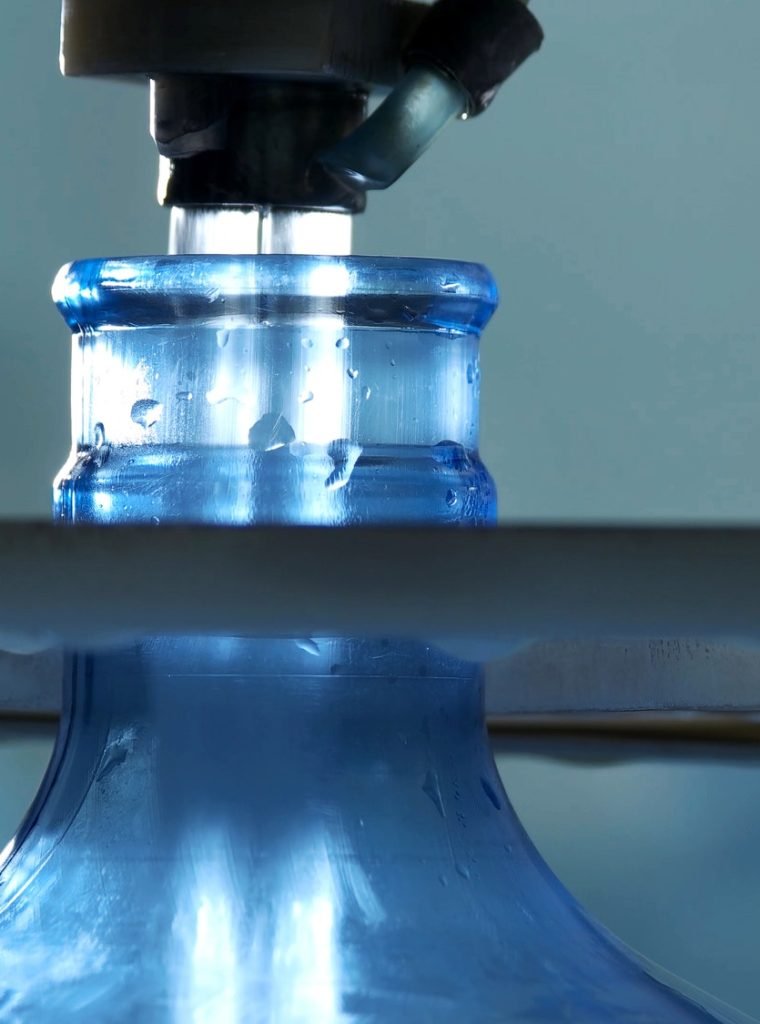

An RO plant is a water treatment system that removes dissolved impurities using reverse osmosis. Raw water first passes through sediment and carbon filters to remove dirt, chlorine, and larger particles. A high pressure pump then forces the water through a semi permeable RO membrane. Clean water passes through to a storage tank, while rejected salts and impurities are flushed out separately. The result is water with a much lower TDS level, safe for daily drinking and cooking.
The World Health Organization rates water below 300 mg/L TDS as excellent to good for drinking. Most groundwater in Lahore runs well above this range because of industrial activity, aging supply lines, and natural mineral content in the soil. This is the core reason RO treatment has become standard, not optional, for households and businesses across the city.
We provide water delivery, refill, filtration, event sponsorship, Water for Life, and distribution services.
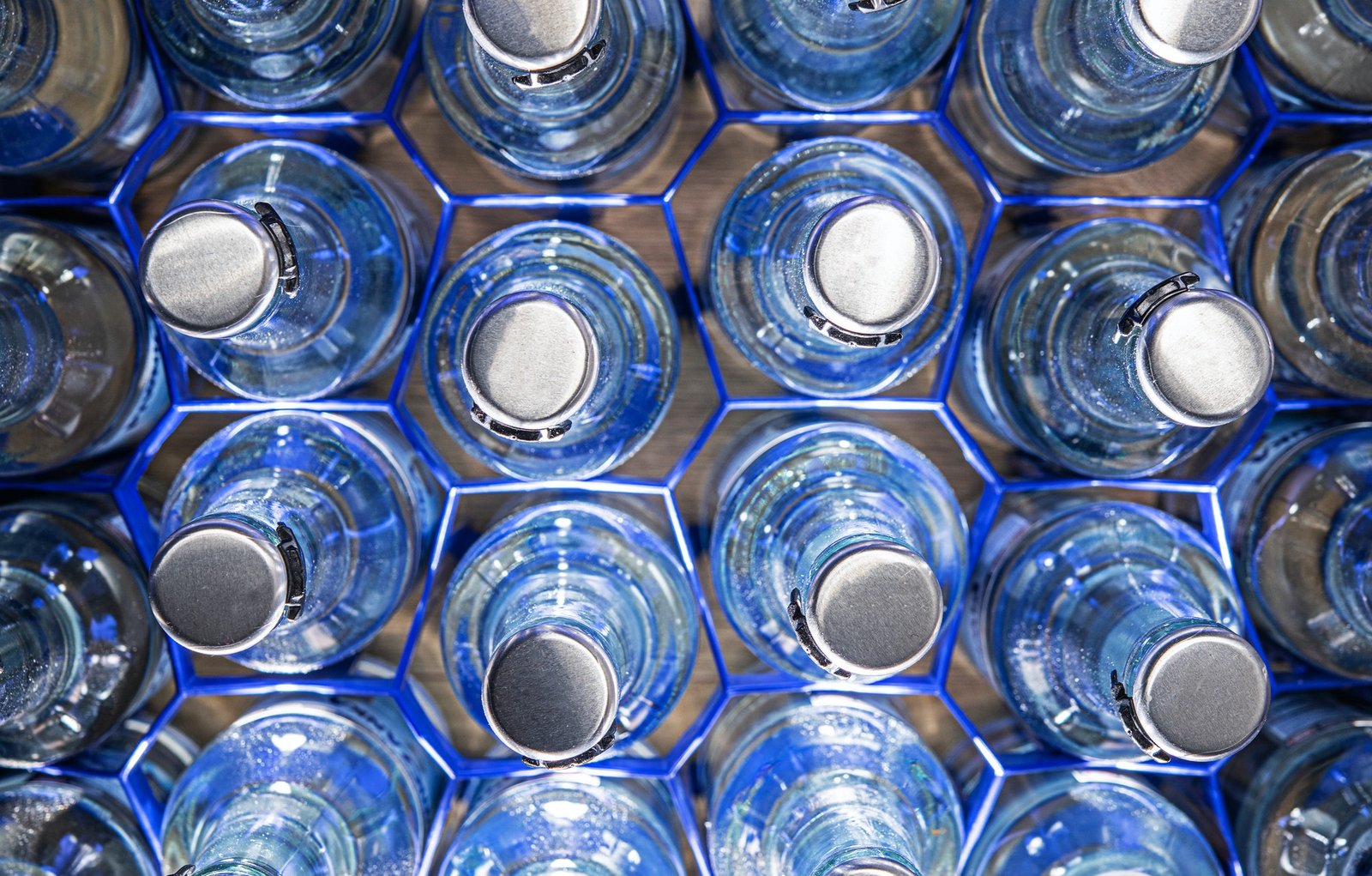
Sponsorship opportunities aligning your brand with clean water initiatives.
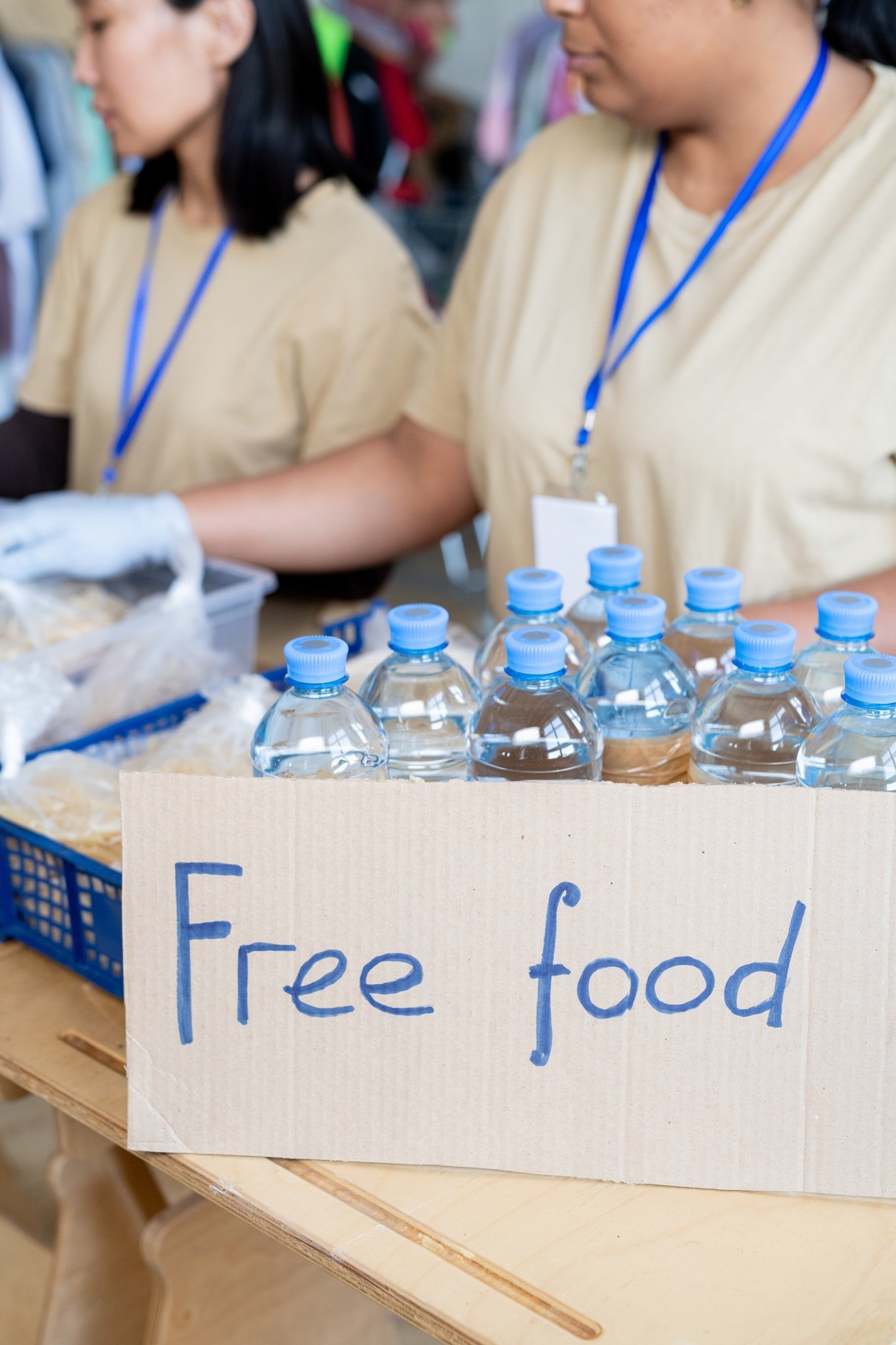
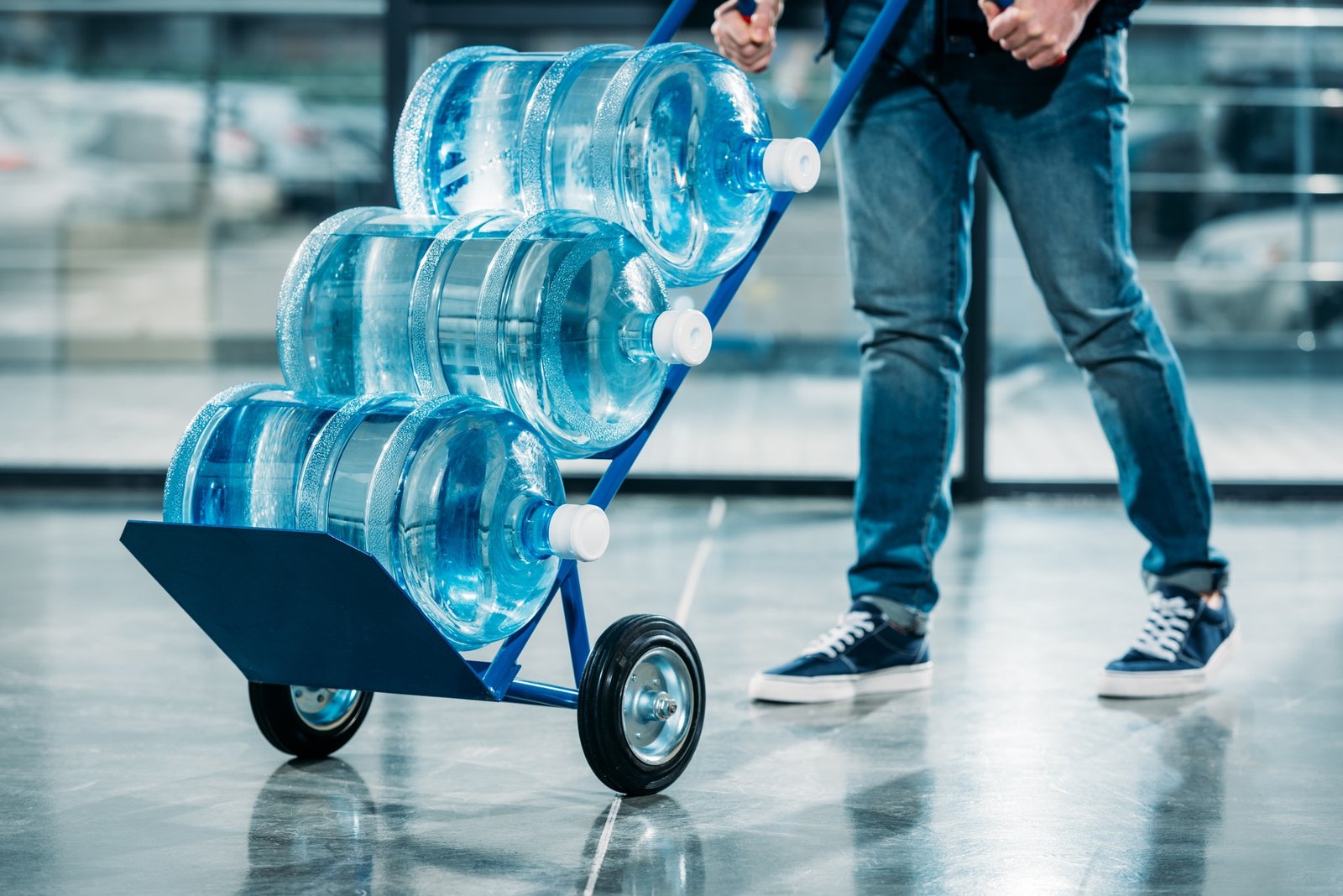
Efficient, large-scale distribution of clean water for events and emergencies.
The right plant depends on your water source, daily consumption, and where it will be used. Here is a simple way to think about it.
Domestic RO Plant Built for homes and apartments. A typical household in areas like Rehman Pura, Shama, or near Baba Azam Chowk needs a unit producing 50 to 100 gallons per day, enough for drinking, cooking, and general kitchen use. If your tap water smells of chlorine, tastes metallic, or leaves white marks on utensils, high TDS is usually the reason, and a domestic RO plant solves it.
Commercial RO Plant Built for restaurants, bakeries, clinics, offices, and mosques that need a steady, larger supply of filtered water throughout the day. Capacity usually starts around 250 to 500 liters per hour (LPH) and scales up based on footfall and usage hours.
Industrial RO Plant Built for factories, textile units, and food processing businesses that need treated water for production, not just drinking. These plants run at 1000 LPH and above, and are engineered around the specific contamination profile of the raw water source, whether that is borewell, municipal supply, or process wastewater.
Community RO Plant Shared installations for mosques, housing societies, and neighborhood water points, typically sized between 500 and 2000 LPH depending on the number of households served.
If you are not sure which category fits, a simple rule helps. Count your daily water need in liters, add 20 percent for peak demand, and match that figure against the LPH ratings above. Our team also carries out a free on site water test before recommending a plant, so the sizing is based on your actual water, not a guess.
Pricing depends on four factors: capacity, raw water TDS level, automation level, and the quality of components used, particularly the membrane and pump.
Domestic RO Plant Price Small household units start around Rs 35,000 to Rs 45,000, rising based on stage count and tank size.
Commercial RO Plant Price Commercial units in the 250 to 500 LPH range generally fall between [Rs X] and [Rs Y], depending on automation and whether antiscalant dosing is required for your water source.
Industrial RO Plant Price Industrial systems above 1000 LPH are priced individually after a site survey, since raw water quality and production needs vary widely between factories.
2000 LPH RO Plant Price A 2000 LPH RO plant, suited to larger commercial operations, housing societies, or mid sized water shops, typically costs between [Rs X] and [Rs Y] in Pakistan, based on stainless steel skid quality, membrane brand, and control panel type.
500 Gallon and 1000 Litre RO Plant Cost A 500 gallon per day unit and a 1000 litre capacity plant both fall in the mid commercial range. Exact pricing depends on your local water hardness and whether the site needs a raw water storage tank built in.
We publish real starting prices because most buyers researching RO plant cost in Pakistan want a number before they call anyone. If you want an exact quote, our team can size it after checking your water source.
We serve households and businesses across Ichhra, Muslim Town, Garden Town, Model Town, Gulberg, Faisal Town, Samnabad, and surrounding areas, including installations near Liberty Market, Model Town Link Road, and the Ichhra Bazaar commercial belt. Our team is familiar with the water profile in these neighborhoods, which comes largely from WASA supply lines and localized borewells, both of which commonly test above the WHO recommended TDS range.
Step 1: Site Survey and Water Testing Our technician visits your location, tests TDS, hardness, and pH, and checks the water source, whether that is a borewell, WASA line, or tanker supply.
Step 2: Sizing and Component Selection Based on the test results and your daily usage, we recommend the right plant type, membrane count, and whether antiscalant dosing or a UV stage is needed.
Step 3: Installation Our team installs the sediment filters, RO membrane housing, pressure pump, storage tank, and control panel, then connects it to your existing plumbing.
Step 4: Commissioning and Testing Once installed, we run the system and re test output TDS to confirm it meets the target range before handover.
Step 5: After Sales Support We provide guidance on filter change intervals, membrane life, and offer maintenance visits to keep the plant running at rated capacity.
Step 1: Site Survey and Water Testing Our technician visits your location, tests TDS, hardness, and pH, and checks the water source, whether that is a borewell, WASA line, or tanker supply.
Step 2: Sizing and Component Selection Based on the test results and your daily usage, we recommend the right plant type, membrane count, and whether antiscalant dosing or a UV stage is needed.
Step 3: Installation Our team installs the sediment filters, RO membrane housing, pressure pump, storage tank, and control panel, then connects it to your existing plumbing.
Step 4: Commissioning and Testing Once installed, we run the system and re test output TDS to confirm it meets the target range before handover.
Step 5: After Sales Support We provide guidance on filter change intervals, membrane life, and offer maintenance visits to keep the plant running at rated capacity.
Restaurants and Bakeries Consistent, filtered water for food preparation and beverages, meeting the basic hygiene expectation customers now look for.
Schools and Colleges Safe drinking water points for students, sized around enrollment and peak usage hours.
Hospitals and Clinics Treated water for general use, supporting hygiene standards required in healthcare settings.
Mosques and Community Buildings Shared RO points for wudu and drinking water, usually installed as community plants serving a wider local population.
Offices and Commercial Buildings An in house RO plant that removes the recurring cost and hassle of ordering bottled water every week.
Water Shops and New Water Businesses For anyone starting a water filling or bottling business, we size plants for production volume and can guide you on the basic setup needed to run a water shop, including tank capacity, filling line space, and membrane replacement schedules to keep production costs predictable.
Is RO water safe for kidneys?
Yes. RO water has low dissolved solids, which reduces the mineral and contaminant load your kidneys process. People managing kidney conditions are often advised to drink low TDS water, though it is always worth confirming specifics with a doctor.
Is RO water safe for diabetics?
Yes. RO filtration does not affect blood sugar. It only removes impurities and excess dissolved minerals, making it a normal part of a healthy diet for diabetics and non diabetics alike.
Is RO water bad for health?
No, when the plant is properly maintained. The only real risk comes from a poorly serviced system or one that strips minerals without any remineralization stage. Regular filter and membrane changes keep RO water safe and consistent.
Is RO water medical grade?
RO water is not officially labeled medical grade, but the purity level it achieves, removing bacteria, viruses, and dissolved solids, meets or exceeds the standard required for safe drinking water, which is why RO systems are widely used in hospitals and laboratories.
RO stands for Reverse Osmosis. An RO plant is a Reverse Osmosis water filtration system that purifies water by forcing it through a membrane that blocks salts, bacteria, and dissolved solids.
Domestic, Commercial, Industrial, and Community RO plants. Each is sized differently based on daily water demand and end use.
Antiscalant to prevent membrane scaling, sodium hypochlorite for pre treatment disinfection, and sodium bisulfite to remove chlorine before it reaches the membrane. Dosing depends on raw water quality.
Domestic units start around Rs 35,000 to Rs 45,000. Commercial and industrial plants are priced by capacity and are quoted after a water test, since raw water condition changes the component requirements.
Book a free on site water test in Lahore. Our team checks your TDS level and recommends the right RO plant capacity and price for your home, shop, or business. Call or message us on WhatsApp at 0327 45 755 27 to schedule a visit.
Source referenced: Pakistan Council of Research in Water Resources (PCRWR), Drinking Water Quality in Pakistan: Current Status and Challenges, 2020 to 2021 monitoring data.
Every drop of water has the power to help things grow, keep us alive, and support all life.
WhatsApp us